.jpg)

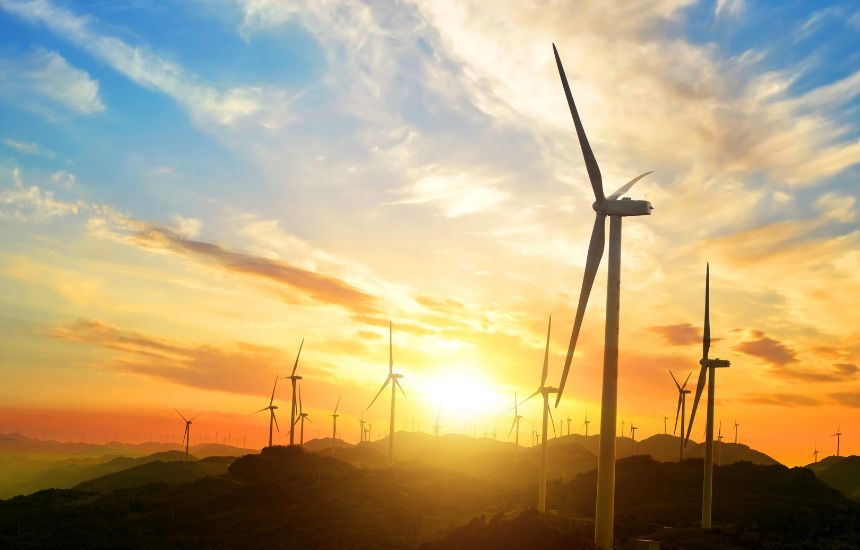
India’s clean energy transition is entering a new phase focused on execution, infrastructure readiness, and long-term system integration as the country works towards its ambitious climate and energy security goals.
Driven by rising energy demand, geopolitical disruptions, and the need to reduce dependence on imported fossil fuels, India is increasingly prioritising large-scale deployment of renewable energy, grid modernisation, and energy storage systems to support its long-term transition strategy.
The country has committed to achieving net-zero carbon emissions by 2070 while reducing the emission intensity of its GDP by 45 per cent by 2030 compared to 2005 levels. Progress towards these goals has accelerated significantly over the past few years.
In 2025, non-fossil fuel sources crossed more than 52 per cent of India’s cumulative installed power capacity, enabling the country to achieve its clean energy milestone nearly five years ahead of schedule. Renewable energy additions also surged sharply, with annual capacity additions exceeding 55 GW in FY26, almost double the previous year’s pace.
As renewable power generation expands rapidly, policymakers are now shifting focus from capacity creation to grid integration, transmission infrastructure, and system flexibility. Large-scale projects such as the Green Energy Corridor and deployment of high-voltage direct current (HVDC) transmission systems are being prioritised to evacuate renewable power efficiently from generation centres to high-demand regions.
Energy storage has emerged as another major policy priority. India is targeting more than 400 GWh of energy storage capacity by 2031–32 through a combination of battery energy storage systems (BESS) and pumped hydro storage projects. These technologies are expected to play a critical role in balancing renewable energy intermittency and improving grid stability.
Private sector participation continues to drive growth across solar, wind, storage, and green hydrogen segments, while government-backed viability gap funding and policy support remain important for scaling emerging clean technologies.
Experts believe the next phase of India’s energy transition will depend heavily on coordinated policy implementation, transmission upgrades, storage deployment, and mobilisation of long-term capital to sustain growth while ensuring affordable and reliable clean power access.
.jpg)
.jpg)
.jpg)
.jpg)
-preview.webp)
-preview.webp)
-preview.webp)
-preview.webp)
-preview.webp)