.jpg)

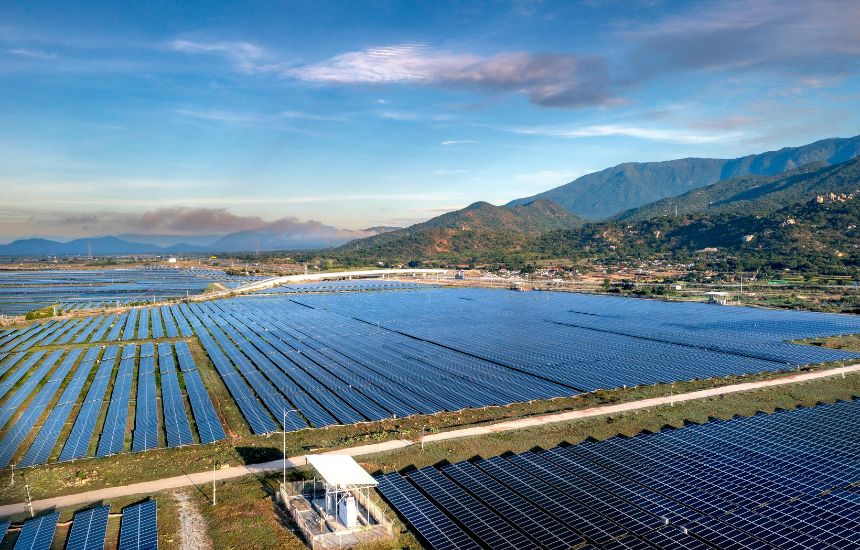
China has introduced a new five-year climate plan aimed at expanding the effective use of renewable energy across major sectors, including manufacturing facilities, data centres, transportation networks and industrial parks by 2030.
The strategy marks a shift from focusing mainly on increasing renewable energy generation capacity to ensuring that clean electricity is efficiently consumed throughout the economy. Key measures include the expansion of energy storage systems, advanced electricity transmission networks, industrial electrification and green hydrogen technologies.
The plan also promotes the development of low-carbon industrial infrastructure and the wider adoption of clean technologies to reduce greenhouse gas emissions. Although the roadmap largely maintains climate targets announced earlier, it provides additional details on how renewable energy will be integrated into everyday industrial and commercial operations.
China plans to encourage the development of sustainable data centres powered by renewable energy. It will also expand the use of electric vehicles, including renewable-powered long-haul trucks, to reduce emissions from the transportation sector.
According to the plan, China’s carbon dioxide emissions declined slightly during the previous year, supported by rapid growth in renewable energy generation and electric mobility.
As the world’s largest greenhouse gas emitter, China is seeking to balance continued economic development with its long-term climate commitments through practical, technology-driven and low-carbon solutions.
.jpg)
.jpg)
.jpg)
.jpg)
-preview.webp)
-preview.webp)
-preview.webp)
-preview.webp)
-preview.webp)