.jpg)

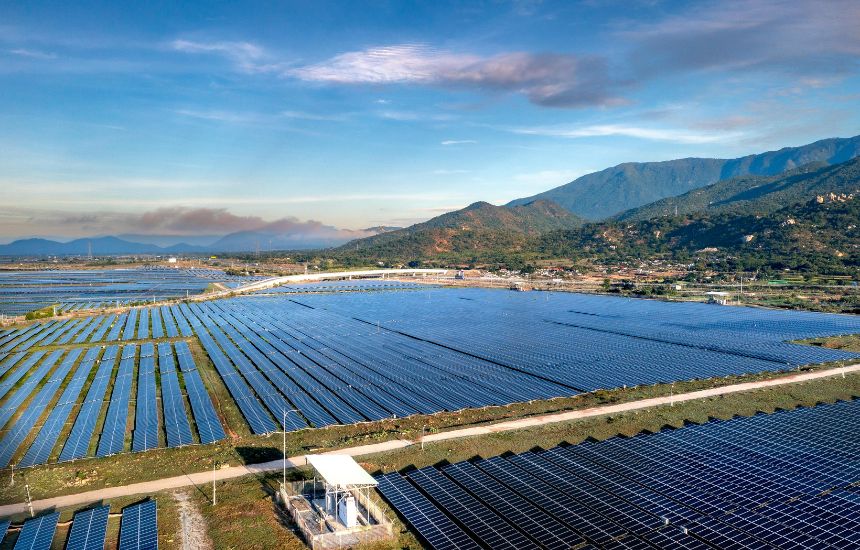
Global clean-energy manufacturing capacity has expanded to nearly double the level required to meet current demand, resulting in a substantial supply surplus across the solar, battery and wind energy sectors, according to BloombergNEF’s 2026 Energy Transition Supply Chain report.
The report highlighted that rapid factory expansion across Asia, particularly in China, has significantly outpaced global demand growth. While countries such as the United States and those in Europe continue efforts to strengthen domestic manufacturing, their production scale remains well behind Asia’s capacity expansion.
The oversupply situation contributed to a decline in renewable energy equipment prices throughout 2025, making clean energy technologies more affordable globally. The price decline came at a time when geopolitical tensions triggered spikes in global oil prices, further increasing the appeal of renewable energy alternatives.
According to the report, China continues to dominate global clean-energy manufacturing, controlling more than 70% of worldwide production capacity across most major segments, including solar modules, batteries and wind components.
Several emerging economies are now accelerating clean-energy deployment through supportive policies and investment initiatives. Countries such as Vietnam, Cambodia and Chile are adopting measures aimed at increasing renewable energy usage and taking advantage of lower technology costs.
Meanwhile, nations including India and Turkey are expanding domestic solar manufacturing capabilities in an attempt to reduce dependence on imports and strengthen local supply chains.
The report also noted that efforts by the United States to shield domestic manufacturers through tariffs and trade measures have had limited impact. Excess global supply continues to place pressure on manufacturers worldwide, leading to squeezed profit margins and delays in new factory investment decisions.
BloombergNEF stated that despite current market imbalances, lower renewable technology prices are expected to accelerate the global energy transition by improving affordability and expanding clean-energy adoption across both developed and emerging markets.
.jpg)
.jpg)
.jpg)
.jpg)
-preview.webp)
-preview.webp)
-preview.webp)
-preview.webp)
-preview.webp)