.jpg)

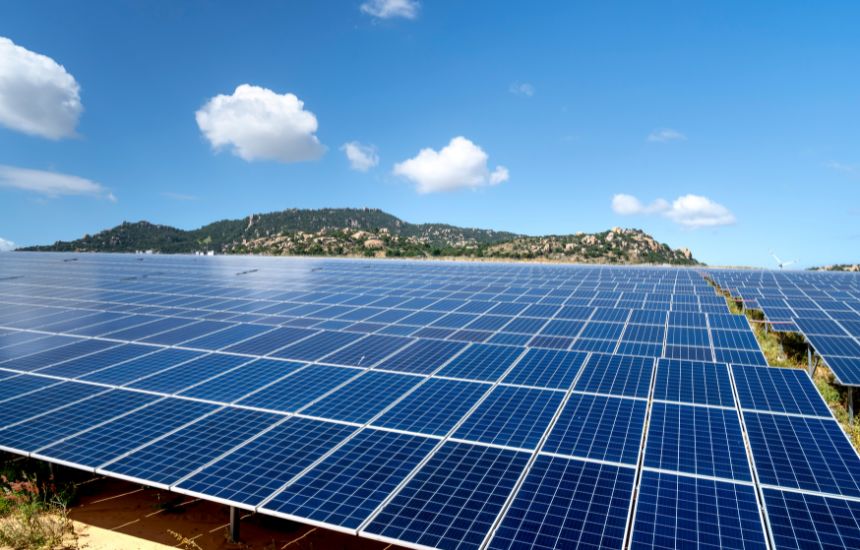
Gujarat has added nearly 2 GW of renewable energy capacity in April 2026, further strengthening its position as one of India’s leading clean energy hubs.
According to data from the Ministry of New and Renewable Energy, Gujarat’s cumulative renewable energy capacity increased from 47,178 MW in March to 49,115 MW in April, reflecting a substantial monthly addition of 1,937 MW.
The expansion has been driven by rapid growth in utility-scale solar and wind projects, alongside continued adoption of rooftop solar systems, hybrid renewable installations, and distributed clean energy infrastructure.
Shalini Aggarwal stated that Gujarat is witnessing strong momentum across both large-scale renewable projects and consumer-driven clean energy adoption.
Gujarat Urja Vikas Nigam Limited highlighted that the state’s renewable energy strategy is increasingly focused on maintaining a diversified clean energy portfolio rather than relying solely on one technology segment.
While Rajasthan continues to lead India in standalone solar power capacity, Gujarat’s strength lies in its balanced mix of solar, wind, rooftop, hybrid, and emerging storage technologies.
The state has also accelerated implementation under the PM-KUSUM scheme, promoting solarisation in the agricultural sector and supporting decentralised renewable energy deployment.
In addition to generation capacity expansion, Gujarat has introduced several demand-side management initiatives aimed at improving energy efficiency and grid stability. These include time-of-use tariff rebates, rooftop solar incentives, and policies encouraging energy storage adoption.
The government is also preparing for increased deployment of battery energy storage systems and pumped hydro storage projects to ensure grid reliability during peak demand periods and support higher renewable energy integration.
Industry experts believe Gujarat’s integrated approach — combining generation, storage, distribution reforms, and consumer participation — has positioned the state as a key driver of India’s long-term energy transition.
With large renewable energy parks, strong transmission infrastructure, proactive policy support, and industrial demand growth, Gujarat is expected to remain central to India’s clean energy expansion strategy over the coming decade.
.jpg)
.jpg)
.jpg)
.jpg)
-preview.webp)
-preview.webp)
-preview.webp)
-preview.webp)
-preview.webp)