.jpg)

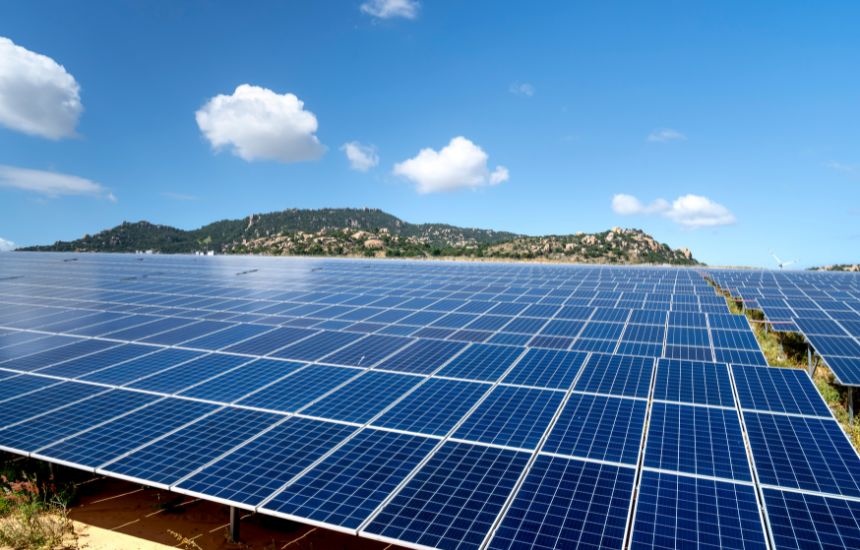
India recorded a 24% year-on-year increase in solar power generation during the fourth quarter of FY26, according to a report by the Centre for Research on Energy and Clean Air (CREA). The growth played a key role in supporting the country’s rising electricity demand and boosting non-fossil fuel power generation.
India’s total electricity generation reached 464 billion units (BU) in Q4 FY26, marking a 3% increase compared to the same period last year. The growth was primarily driven by renewable and non-fossil fuel energy sources, reflecting the country’s accelerating clean energy transition.
Solar power generation rose to 48.9 BU during the quarter, while wind energy output increased by 11%. Other clean energy sources also recorded gains, with nuclear power generation rising 10% and large hydro generation increasing 7%.
The renewable energy surge coincided with India reaching its highest-ever peak electricity demand of 256 GW on April 26, 2026, highlighting the growing role of clean energy in meeting the country’s rising power needs, particularly during extreme summer conditions.
However, the CREA report also highlighted persistent grid integration challenges, with around 27 GW of solar and 4 GW of wind energy curtailed during the quarter, particularly in Gujarat. Curtailment continues to limit the effective utilisation of renewable energy despite rapid capacity additions.
Coal-fired power plant utilisation declined during the quarter, while renewables accounted for the majority of new capacity additions, further shifting India’s power generation mix toward cleaner sources.
Manoj Kumar stressed the urgent need for stronger transmission infrastructure, flexible grid systems, and faster deployment of battery storage solutions to maximise renewable energy integration and minimise curtailment.
The report underscores that while India’s renewable growth remains strong, investments in grid modernisation and energy storage will be critical to fully unlocking the benefits of solar and wind power.
.jpg)
.jpg)
.jpg)
.jpg)
-preview.webp)
-preview.webp)
-preview.webp)
-preview.webp)
-preview.webp)