.jpg)

With fuel prices remaining volatile, electricity tariffs gradually increasing, and LPG prices linked to global energy markets, Indian households are facing growing pressure from rising energy costs. Although government interventions have helped moderate retail fuel prices in recent years, experts believe long-term energy inflation remains a significant concern.
As a result, households are increasingly exploring cleaner and more cost-efficient alternatives such as electric vehicles (EVs), rooftop solar systems, and electric cooking appliances to reduce dependence on conventional fuels and shield their monthly budgets from price fluctuations.
Electric vehicles are emerging as one of the most effective solutions for reducing transportation expenses. Compared to petrol and diesel vehicles, EVs offer significantly lower running costs on a per-kilometre basis, making them especially attractive for families with regular commuting requirements. According to estimates referenced by the International Energy Agency (IEA), conventional fuel-powered vehicles in India can cost households up to ₹1.8 lakh annually in fuel expenses, depending on usage patterns and fuel prices.
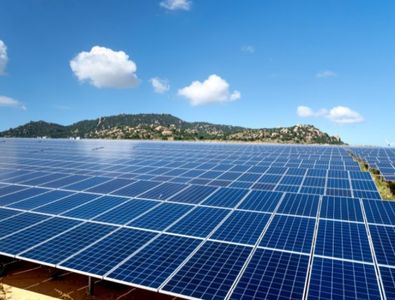
Rooftop solar systems are also gaining attention as a long-term financial safeguard against rising electricity tariffs. By generating their own electricity, households can substantially reduce or even eliminate monthly power bills. Surplus electricity generated through rooftop solar installations can further improve savings through net-metering mechanisms. While installation costs remain relatively high, industry estimates suggest that most residential systems can recover their investment within five to six years through energy savings.
The transition towards clean energy technologies is further supported by government initiatives such as the PM Surya Ghar Muft Bijli Yojana, which promotes rooftop solar adoption across India. Simultaneously, induction cooktops and electric cooking systems are being considered as alternatives to LPG-based cooking, especially as global energy disruptions impact fuel supply chains and pricing.
Although the initial investment for EVs, solar systems, and energy-efficient appliances can be substantial, experts believe these technologies offer long-term protection against fuel inflation, volatile electricity tariffs, and energy supply uncertainties. Together, they represent a gradual but significant shift towards energy self-reliance and sustainable household economics in India.
.jpg)
.jpg)
.jpg)
.jpg)
-preview.webp)
-preview.webp)
-preview.webp)
-preview.webp)
-preview.webp)