.jpg)

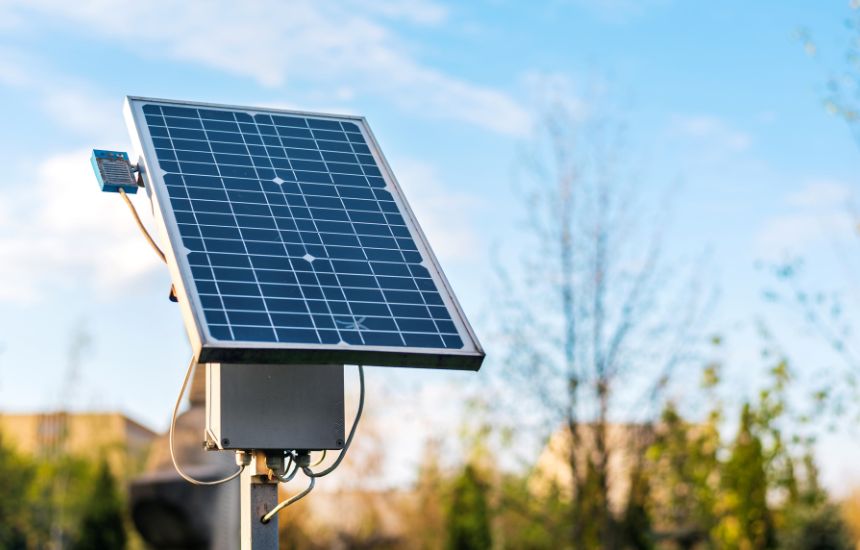
Energy experts and activists have raised concerns that newly introduced grid support charges and time-of-day tariffs could slow the adoption of rooftop solar systems across India, particularly among residential societies and industrial users.
In a recent order dated March 25, the Maharashtra Electricity Regulatory Commission approved a proposal by Maharashtra State Electricity Distribution Company Ltd to impose grid support charges on rooftop solar installations exceeding 10 kW capacity.
According to the order, these charges will begin at ₹1.96 per unit in 2026–27 and gradually increase to ₹2.32 per unit by 2029–30. The rationale behind the charges is to recover costs associated with maintaining grid infrastructure and managing supply-demand balancing as distributed solar capacity grows.
The move comes at a time when rooftop solar adoption has been accelerating, with installed capacity surpassing 5,000 MW within MSEDCL’s service area earlier this year. However, stakeholders warn that the additional financial burden could slow this momentum.
Vivek Velankar, a prominent consumer activist, noted that large housing societies—key drivers of rooftop solar growth—typically install systems well above the 10 kW threshold. The added charges, he explained, could extend investment payback periods by two to three years, making such projects less financially attractive.
Experts caution that while grid stability and maintenance are important, policy measures must strike a balance to ensure they do not discourage the transition to clean energy. The development highlights ongoing challenges in scaling rooftop solar adoption while maintaining grid reliability in India’s evolving energy landscape.
.jpg)
.jpg)
.jpg)
.jpg)
-preview.webp)
-preview.webp)
-preview.webp)
-preview.webp)
-preview.webp)