.jpg)

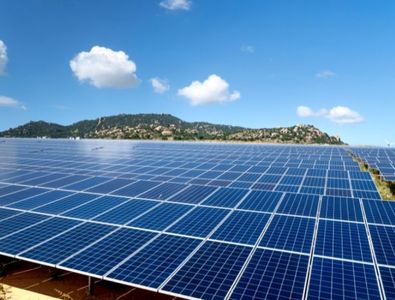
The United States Department of Commerce has announced preliminary antidumping duties on solar cells and panels imported from India, Indonesia and Laos, citing evidence that manufacturers in these countries sold products in the US market at unfairly low prices.
Under the preliminary ruling, the proposed antidumping duty margins are set at 123.04% for India, 35.17% for Indonesia, and 22.46% for Laos. The move is aimed at protecting domestic solar manufacturers and ensuring fair competition in the rapidly growing renewable energy sector.
Together, these three countries accounted for nearly $4.5 billion worth of US solar imports last year, representing around two-thirds of total imported solar products into the American market. The ruling could significantly impact global solar supply chains and pricing dynamics, particularly for exporters targeting the US market.
The investigation follows petitions filed by the Alliance for American Solar Manufacturing and Trade, whose members include major manufacturers such as First Solar, Hanwha Qcells, Talon PV and Mission Solar Energy.
The alliance welcomed the Commerce Department’s decision, stating that the ruling validates concerns that low-priced imports have undercut domestically manufactured solar products and distorted market competition.
This development follows earlier countervailing duties announced in February, which addressed allegations of unfair government subsidies to foreign manufacturers. The current antidumping investigation focuses specifically on pricing practices.
The Commerce Department is expected to issue final antidumping determinations for India and Indonesia by July 13, while the final decision for Laos is expected by September 9.
The preliminary duties are likely to reshape sourcing strategies for US solar developers and may encourage greater localisation of solar manufacturing, while creating fresh challenges for exporters in Asia seeking to maintain market access.
.jpg)
.jpg)
.jpg)
.jpg)
-preview.webp)
-preview.webp)
-preview.webp)
-preview.webp)
-preview.webp)