.png)

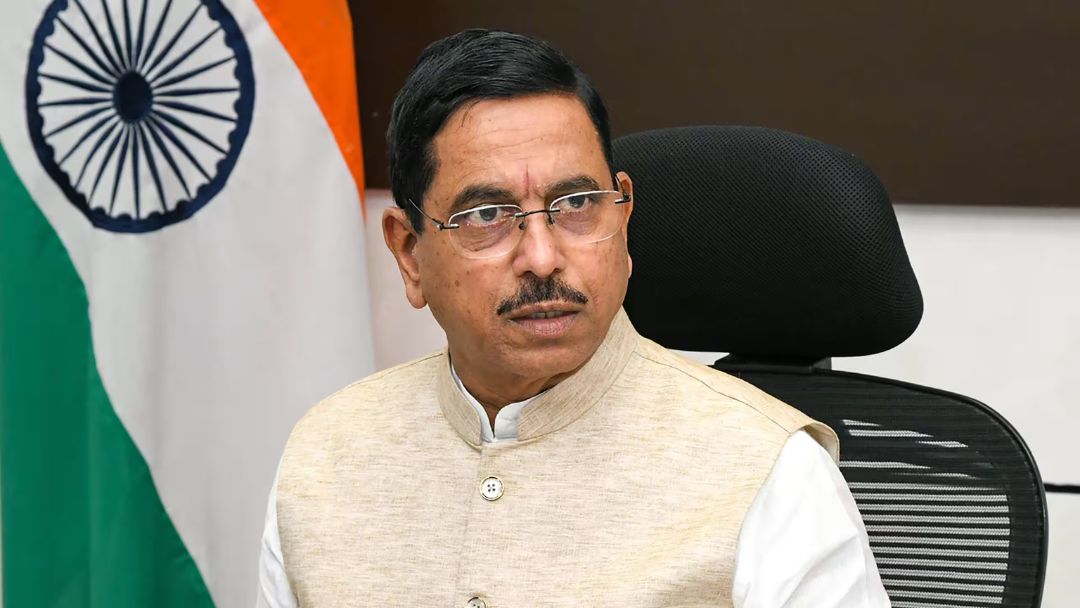
Union Renewable Energy Minister Pralhad Joshi has highlighted the rapid growth of battery energy storage systems, solar power, wind energy and green hydrogen technologies as key drivers of India’s transition towards a cleaner and more secure energy future.
Speaking at the Times Network Sustainability Conclave 2026 in New Delhi, Joshi said India is accelerating renewable energy adoption by investing in advanced energy storage and expanding its solar and wind power capacity.
He noted that India ranked as the world’s second-largest market for battery storage additions during the previous year. Continued investment in storage infrastructure is expected to improve renewable energy integration, strengthen grid stability and help reduce electricity costs.
Battery energy storage systems are becoming increasingly important as India expands its renewable power capacity.
Solar and wind power generation can vary according to weather conditions and the time of day. Energy storage systems help address this challenge by storing surplus electricity and supplying it when demand rises or renewable generation declines.
The expansion of battery storage can support:
Joshi said that combining renewable energy with advanced storage technologies will help India build a more affordable, reliable and sustainable electricity system.
India continues to increase its solar and wind power capacity as part of its broader clean energy strategy.
Government programmes and private-sector investments are supporting the development of utility-scale renewable energy projects, rooftop solar installations and domestic manufacturing of clean-energy equipment.
The PM Surya Ghar Yojana was highlighted as an important initiative for encouraging households to adopt rooftop solar systems.
Wider rooftop solar adoption can help consumers reduce electricity expenses while supporting decentralised renewable energy generation across cities, towns and rural communities.
Joshi also highlighted India’s first hydrogen-powered train as a significant milestone in the country’s transition towards cleaner transportation.
Hydrogen-powered mobility has the potential to reduce emissions in sectors where direct electrification may be difficult.
India’s National Green Hydrogen Mission is designed to support domestic green hydrogen production, technological development and industrial adoption.
Green hydrogen is expected to play an important role in decarbonising sectors such as:
The development of green hydrogen technologies could also strengthen India’s position in emerging global clean-energy markets.
Industry leaders participating in the conclave emphasised that clean energy is no longer only an environmental requirement but is increasingly becoming a strategic economic opportunity.
Investments in renewable power, battery manufacturing, energy storage and green hydrogen can support domestic manufacturing, create employment and reduce India’s dependence on imported fuels and technologies.
Advanced battery manufacturing incentives are expected to strengthen domestic production capacity and support the growth of electric mobility and renewable energy storage.
The expansion of India’s clean-energy ecosystem can also create opportunities across manufacturing, project development, technology services, infrastructure and research.
The Times Network Sustainability Conclave brought together policymakers, industry leaders and climate experts to discuss sustainable development, energy security and climate resilience.
Experts called for stronger measures to prepare Indian cities, industries and communities for the increasing impact of climate change.
Key priorities highlighted during the discussions included:
Speakers stressed that India’s clean-energy transition must combine renewable energy growth with long-term planning for climate adaptation and resilience.
India’s expanding investments in battery storage, solar power, wind energy and green hydrogen are expected to play a central role in the country’s low-carbon development strategy.
By strengthening domestic manufacturing, improving energy storage and increasing renewable energy adoption, India can enhance energy security while reducing the environmental impact of economic growth.
The combined growth of renewable power and storage technologies is expected to support a more reliable, affordable and sustainable energy system for households, businesses and industries across the country.
.png)
.png)
.png)
.png)
-preview.webp)
-preview.webp)
-preview.webp)
-preview.webp)
-preview.webp)