.jpg)

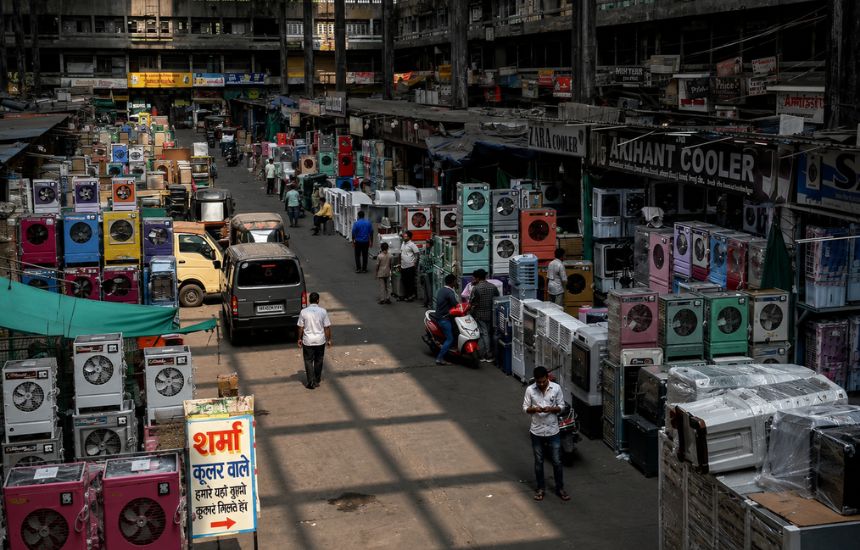
Rising electricity tariffs in India’s hottest regions are emerging as a major barrier to affordable cooling, deepening the impact of extreme heat on low-income households despite improvements in power infrastructure and grid reliability.
In and around Nagpur, where summer temperatures frequently exceed 40°C, electricity systems have been strengthened to manage rising peak demand. However, for many residents, the challenge is no longer access to power but the ability to afford it.
Maharashtra remains one of India’s most expensive electricity markets, placing heavy financial pressure on economically weaker households. Many families reportedly spend more than 10% of their monthly income on electricity bills, forcing them to ration cooling appliances such as fans and air conditioners even during severe heat conditions.
As temperatures remain elevated late into the night, several residents are compelled to spend evenings outdoors to escape indoor heat and reduce electricity consumption. Experts warn that such conditions are turning heat stress into a growing public health and economic challenge.
According to Maharashtra State Electricity Distribution Co., rising capital expenditure on grid infrastructure and power system upgrades has contributed to increasing tariffs. The state government is aiming to gradually lower residential electricity costs by expanding renewable energy capacity through 2030, though analysts note that the immediate benefits may primarily support only the lowest-income consumer categories.
Rohit Magotra said that electricity access alone is insufficient if households cannot afford to use power for essential cooling needs. Experts argue that cooling affordability must become a central element of climate adaptation and urban resilience planning in India.
The economic implications are also becoming significant. The McKinsey Global Institute has projected that heat stress could threaten nearly 4.5% of India’s GDP by 2030 through productivity losses, health impacts, and rising infrastructure pressure.
As India faces longer and more intense heatwaves linked to climate change, policymakers are increasingly confronted with the challenge of balancing energy affordability, grid expansion, and sustainable cooling access for vulnerable populations.
.jpg)
.jpg)
.jpg)
.jpg)
-preview.webp)
-preview.webp)
-preview.webp)
-preview.webp)
-preview.webp)