.png)

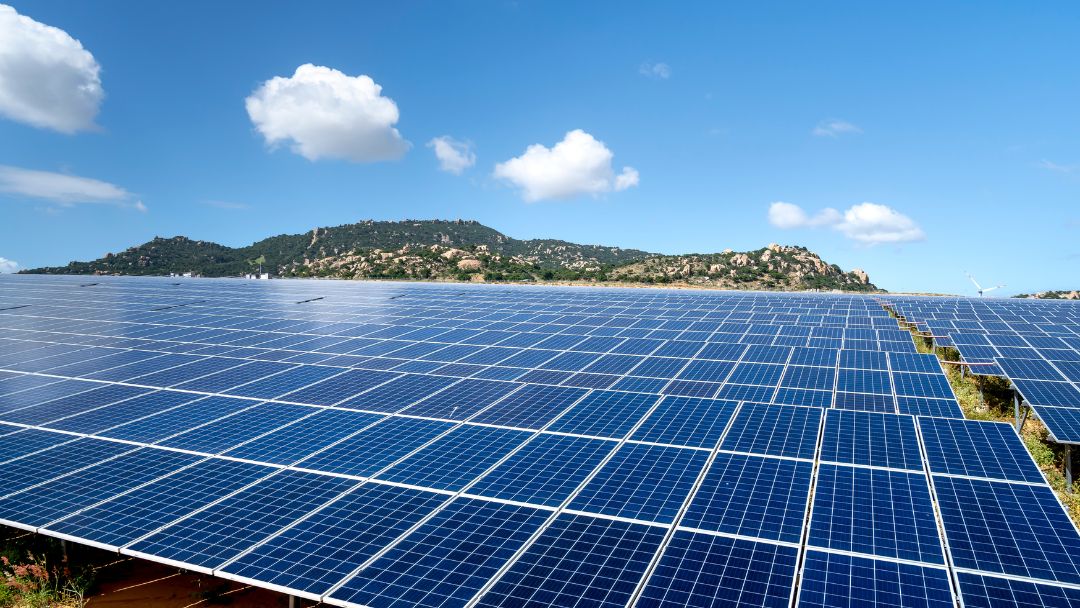
India’s solar energy sector has entered a new phase in which the primary challenge is no longer electricity generation but its efficient storage, transmission and utilisation.
Following years of rapid capacity expansion, the country is now producing more solar electricity than the power grid can absorb during peak sunshine hours. This imbalance has created a new bottleneck in India’s clean energy transition.
According to the Economic Advisory Council to the Prime Minister, India’s installed solar capacity increased from approximately 3 GW in 2014 to nearly 157 GW by May 2026. The growth has been supported by abundant sunlight, declining solar technology costs and ambitious national renewable energy targets.
While this expansion has established India as a major global solar energy market, attention is now shifting towards strengthening transmission infrastructure, deploying Battery Energy Storage Systems and improving grid flexibility.
Energy storage systems can absorb surplus solar electricity generated during the daytime and supply it during periods of higher demand. This can reduce renewable energy curtailment, improve grid stability and ensure more efficient utilisation of installed solar capacity.
Expanding transmission networks and modernising grid management will also be essential for moving renewable electricity from high-generation regions to major consumption centres.
Addressing storage and transmission challenges will be critical to maximising the economic and environmental benefits of India’s solar growth while supporting a reliable, resilient and sustainable energy system.
.png)
.png)
.png)
.png)
-preview.webp)
-preview.webp)
-preview.webp)
-preview.webp)
-preview.webp)