.png)

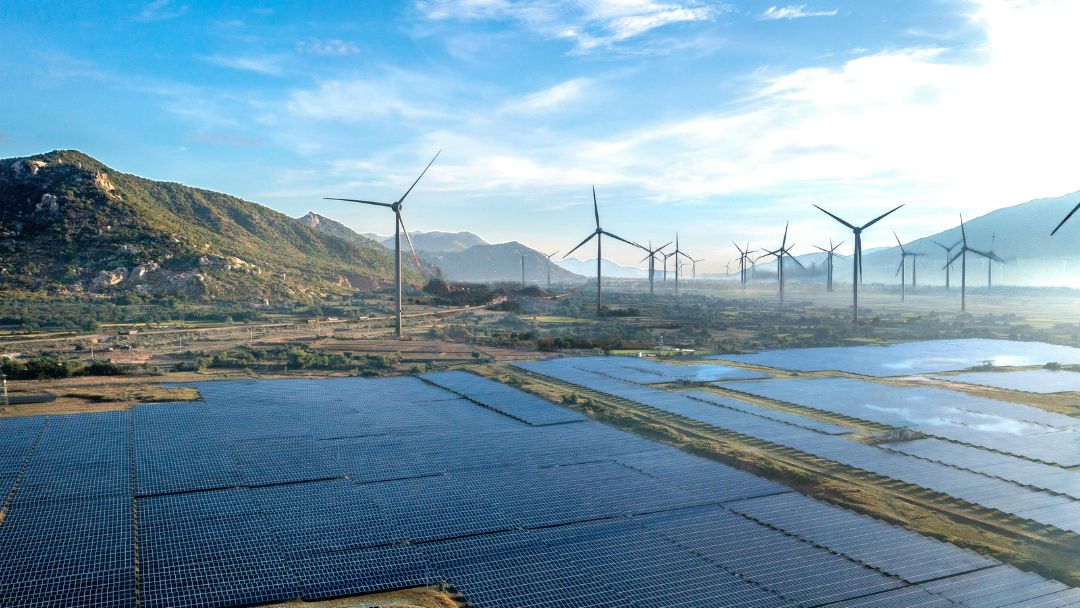
India’s renewable energy sector must shift its focus from capacity expansion to reliable and efficient power delivery, according to Ratul Puri, Chairman of Hindustan Power.
India added more than 54 GW of renewable energy capacity between April 2025 and March 2026. However, transmission bottlenecks, limited grid flexibility and inadequate storage infrastructure have restricted the effective utilisation of clean electricity.
Data from Ember indicates that India curtailed approximately 300 GWh of renewable energy during the first quarter of 2026. Around 2.3 TWh of solar electricity was also curtailed between May and December 2025 because of transmission constraints and limited grid flexibility.
Puri emphasised that strengthening interstate and intrastate transmission networks will be essential for transporting renewable electricity from generation centres to high-demand regions.
He also highlighted the need for large-scale deployment of Battery Energy Storage Systems to balance fluctuations in solar and wind generation, improve grid stability and ensure reliable power availability during peak demand periods.
According to Puri, India must develop an integrated renewable energy ecosystem that connects generation, transmission, storage and consumption. Such an approach will be critical for supporting the country’s long-term clean energy transition, energy security and economic growth objectives.
.png)
.png)
.png)
.png)
-preview.webp)
-preview.webp)
-preview.webp)
-preview.webp)
-preview.webp)