.jpg)

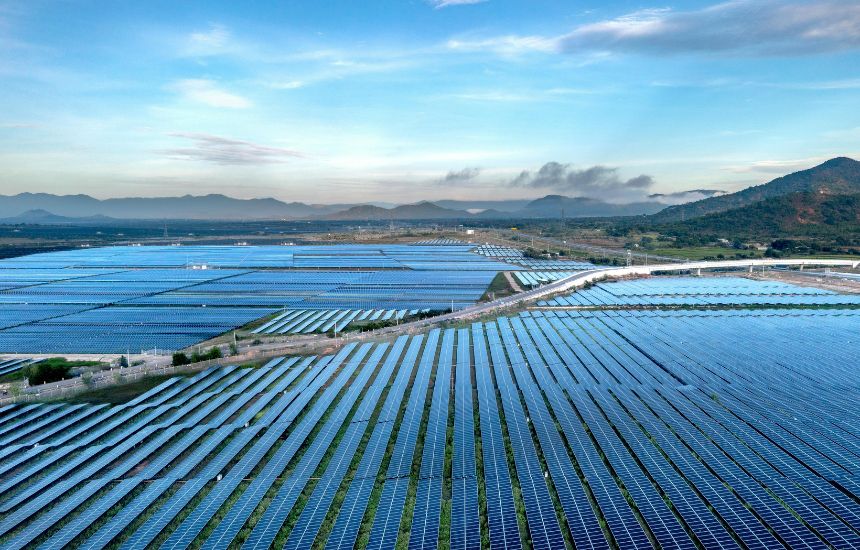
India’s solar industry has urged the Central Electricity Regulatory Commission to increase the price cap on electricity traded through power exchanges, arguing that the current ceiling is creating financial stress for renewable energy developers despite record-high electricity demand.
The appeal was made by the National Solar Energy Federation of India, which stated that the existing market price cap of ₹10 per unit limits the ability of solar power producers to recover losses incurred during periods of weak demand and low tariffs.
According to the industry body, the current pricing structure is discouraging fresh investment, particularly in energy storage systems and grid flexibility solutions that are becoming increasingly important for balancing renewable energy supply.
The issue has gained urgency as India’s electricity demand reached unprecedented levels during recent heatwaves. Data from the Ministry of Power showed that peak electricity demand touched 260.45 GW, reflecting growing pressure on the country’s power infrastructure during extreme weather conditions.
Although a separate high-price market segment exists within the electricity trading framework, NSEFI noted that it has witnessed limited participation due to the absence of sufficient buyers willing to procure power at elevated rates.
Solar developers argue that the current market mechanism creates an imbalance where producers are forced to sell electricity at very low prices during periods of excess supply, while being unable to benefit adequately during high-demand periods because of the capped ceiling. Industry stakeholders say this weakens overall project viability and affects long-term investment confidence.
The federation warned that maintaining the present price cap could slow investments in battery storage, hybrid renewable systems, and other technologies critical to managing India’s future power demand and renewable integration goals.
The regulator has reportedly heard the petition submitted by the industry body and reserved its order on the matter.
Experts believe the outcome could significantly influence the economics of renewable energy trading, energy storage deployment, and the broader evolution of India’s electricity market as the country accelerates its clean energy transition.
.jpg)
.jpg)
.jpg)
.jpg)
-preview.webp)
-preview.webp)
-preview.webp)
-preview.webp)
-preview.webp)