.png)

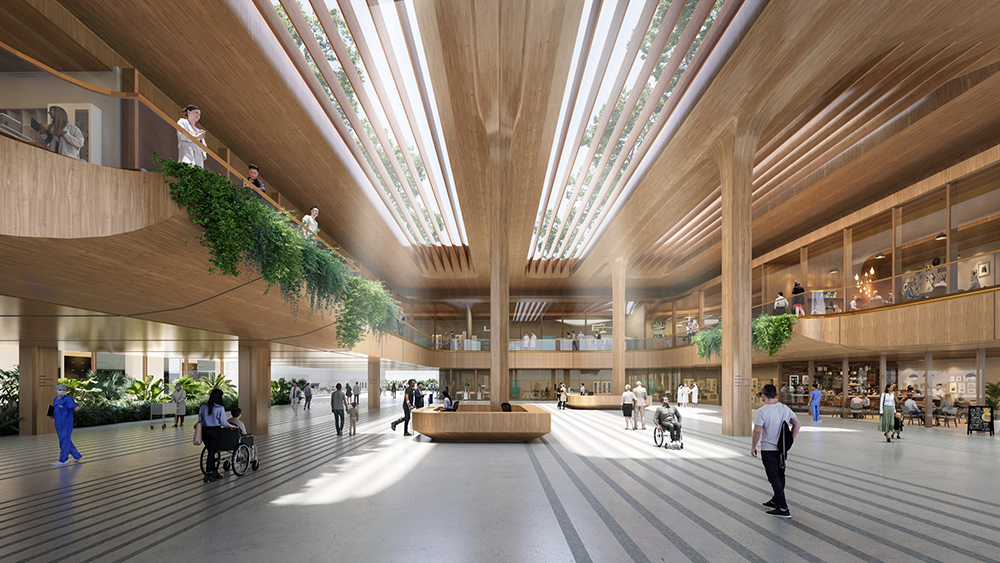
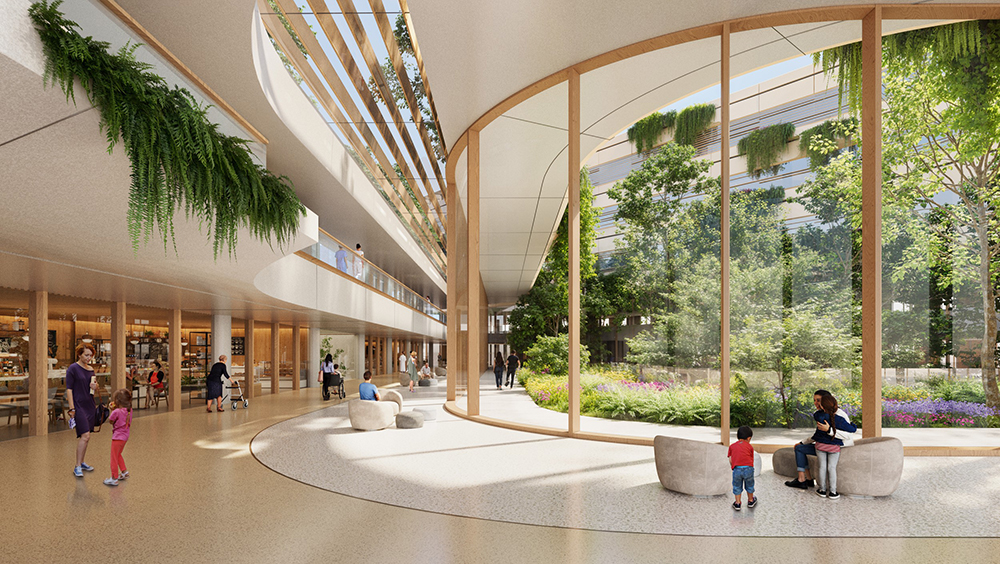
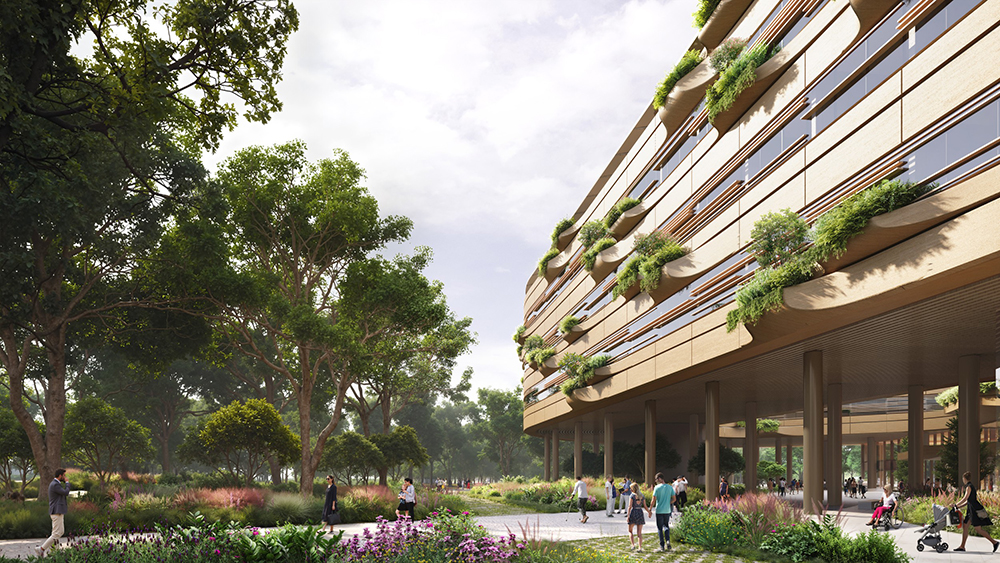
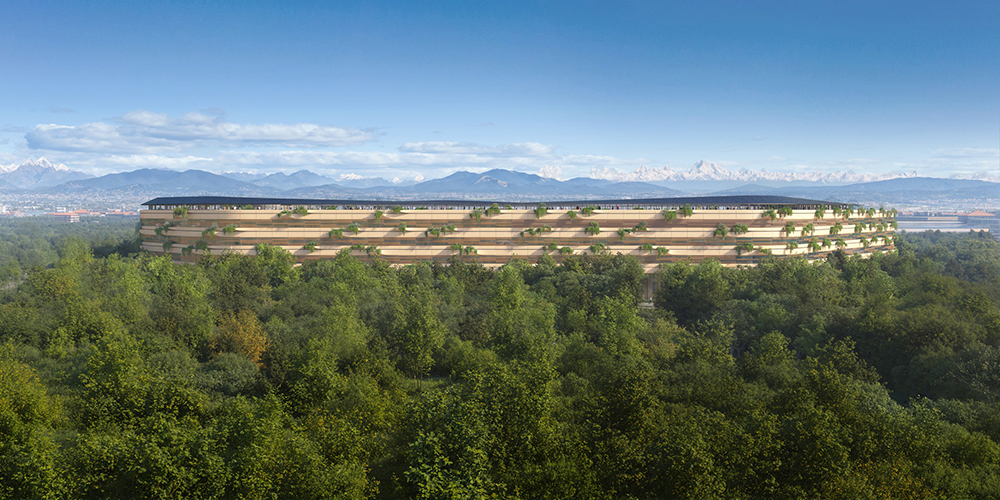
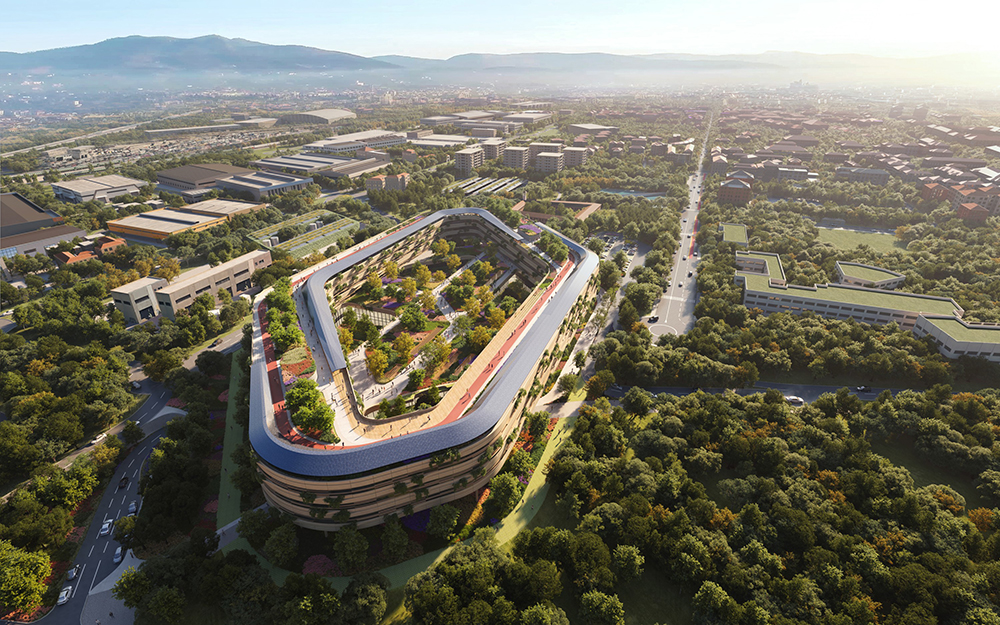
Malpensa, Italy: Zaha Hadid Architects (ZHA), in collaboration with RINA, Studio Plicchi, WSP, STI Engineering, and BC Building Consulting, has won the international competition to design the new Grande Ospedale della Malpensa in northern Italy. Commissioned by the Lombardy Regional Health Authority, the project will consolidate the existing Gallarate and Busto Arsizio hospitals into a single state-of-the-art healthcare campus serving nearly one million residents across the Milan–Varese region.
Envisioned as a next-generation healthcare destination, Malpensa Hospital has been designed to address evolving healthcare requirements, technological advancements, and environmental challenges. The project combines operational efficiency, medical innovation, sustainability, and human-centred design to create a resilient healthcare infrastructure prepared for future needs.
Spread across approximately 90,000 square metres, the hospital will comprise five above-ground levels and one basement. The facility is organised according to the intensity of care, with emergency services, surgical units, critical care departments, radiology, diagnostics, and interventional facilities integrated within a multifunctional operating block. Additional facilities include inpatient and outpatient departments, rehabilitation centres, maternal and infant care wards, specialist clinics, laboratories, and logistics areas.
One of the project's defining features is its modular planning approach, allowing spaces to be rapidly reconfigured or expanded in response to future healthcare demands and emergencies. Dedicated circulation routes for patients, visitors, medical staff, supplies, and waste management systems will improve operational efficiency while reducing contamination risks.
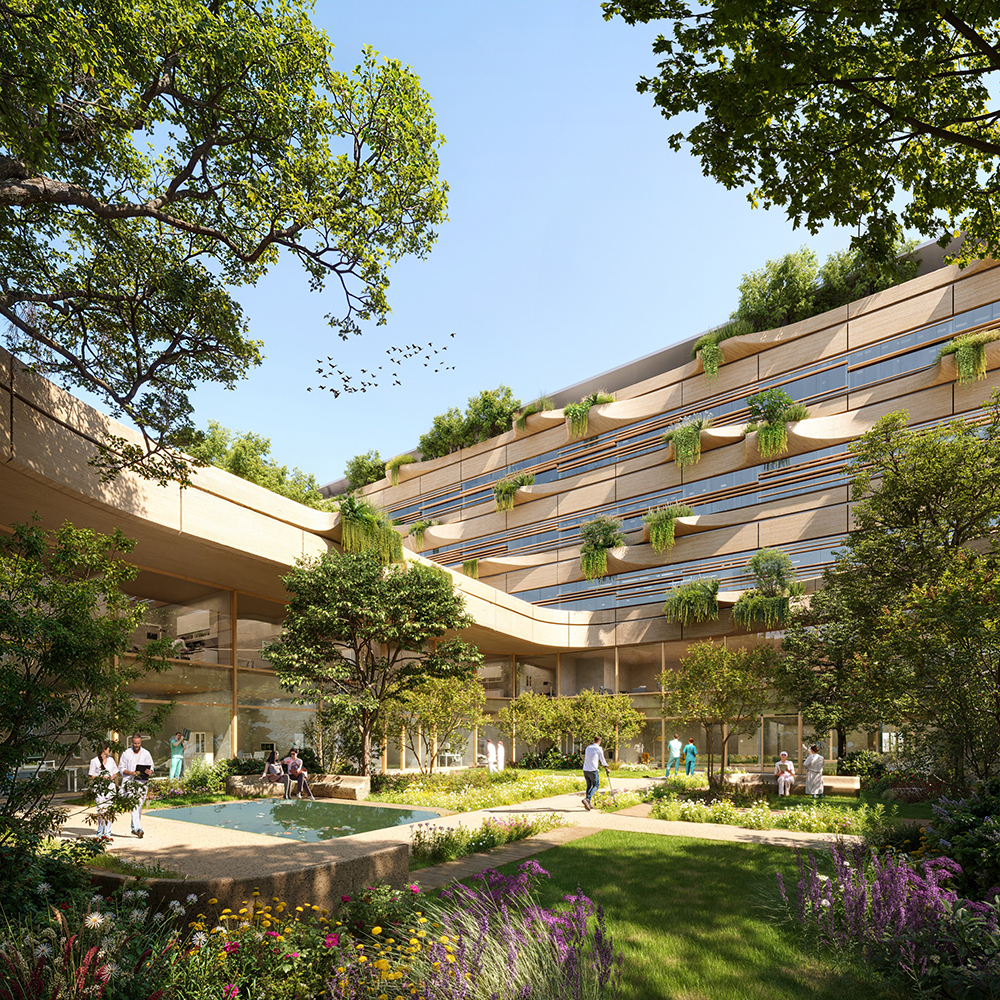
The design prioritises patient comfort and well-being through extensive use of natural daylight, landscaped gardens, interior courtyards, rooftop terraces, and therapeutic materials. A central "Main Street" acts as a public spine connecting the entrance plaza to green spaces throughout the campus, fostering accessibility and community interaction.
Universal accessibility has been integrated throughout the project, including barrier-free circulation, tactile wayfinding systems, and multilingual signage to ensure an inclusive experience for all users.
Located within a sensitive ecological landscape near the Parco Regionale della Valle del Ticino, the development embraces biophilic design principles that preserve existing ecosystems while introducing wetlands, bioswales, and public green spaces. The historic Cascina dei Poveri, dating back to the 12th and 13th centuries, will be incorporated into the masterplan as a cultural landmark and community gathering space.
Sustainability forms a core component of the project. Designed to exceed Italian CAM environmental standards, the hospital will feature a high-performance building envelope, modular aluminium façades with integrated solar shading, renewable energy systems, and a photovoltaic installation exceeding 1 MWp capable of generating approximately 25% of the campus's electricity demand. Smart building technologies, digital twin systems, and advanced building management platforms will further enhance long-term operational efficiency.
By combining medical excellence, ecological responsibility, and social well-being, Malpensa Hospital establishes a new benchmark for healthcare architecture and demonstrates how future hospitals can respond effectively to changing environmental, technological, and community needs.
.jpg)
.jpg)
.jpg)

-preview.webp)
-preview.webp)
-preview.webp)
-preview.webp)
-preview.webp)