.png)

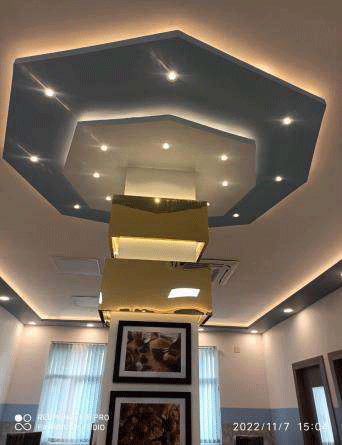
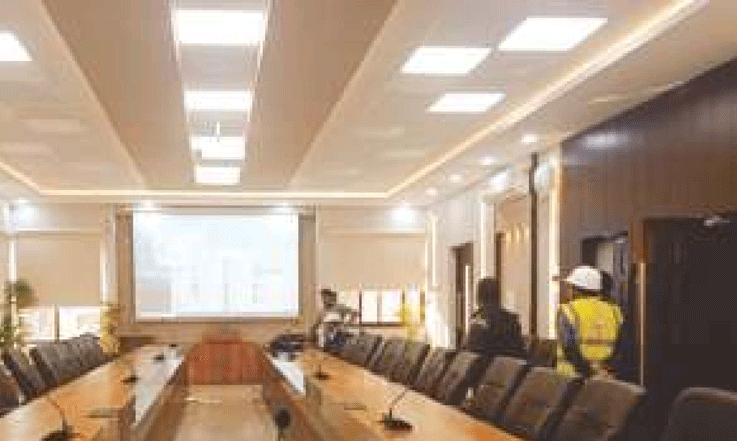
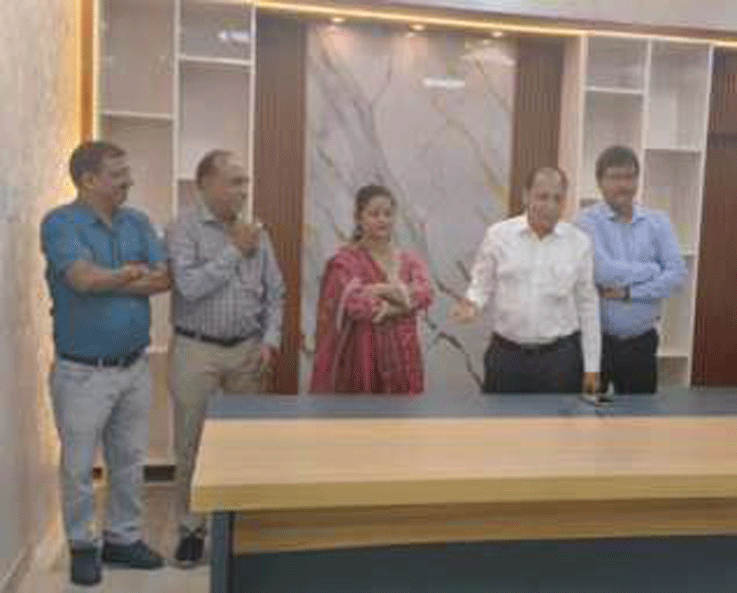
Tissue culture Lab for sugarcane at Haidergarh with balrampur chinimills
 |
The intersection of sustainable agriculture and modern architecture finds a remarkable synthesis at Balrampur Chini Mills’ Haidergarh unit. As the architect tasked with designing the facility’s state-of- the-art tissue culture lab, conference room, auditorium, and VVIP suites, I have been granted a unique vantage point to observe how sugarcane serves as a primary cornerstone for a greener future. This versatile crop is far more than a simple source of sweetness; it is a renewable powerhouse that bolsters global sustainable development through robust carbon sequestration, effectively absorbing carbon dioxide during photosynthesis to mitigate greenhouse gas emissions. Furthermore, its role in biofuel production provides a cleaner, more viable alternative to fossil fuels, while its natural properties aid in soil conservation and water management, allowing it to thrive with minimal irrigation and prevent the erosion of precious topsoil |
 |
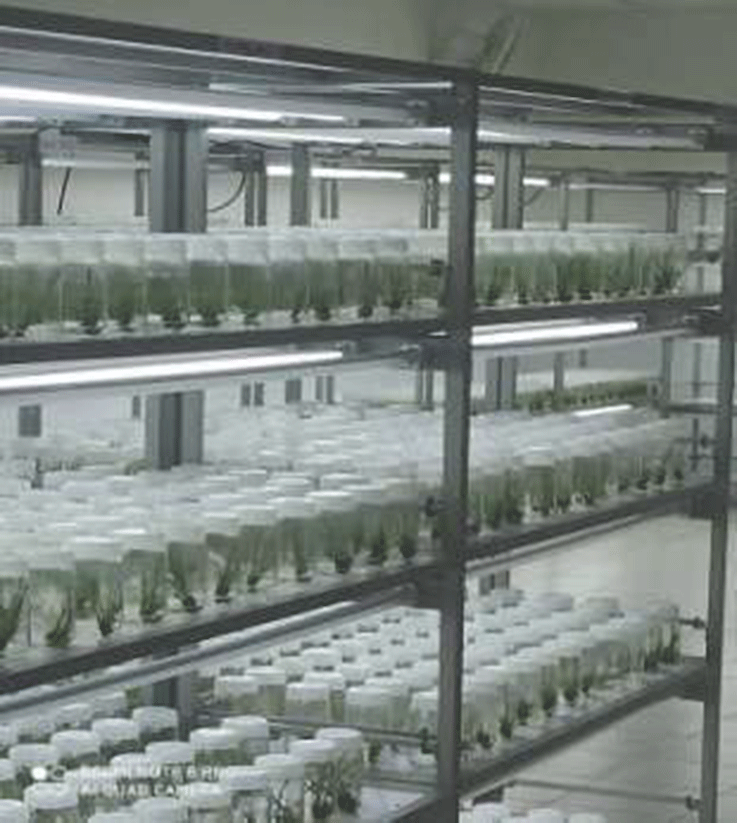
| Beyond its environmental merits, sugarcane acts as a catalyst for profound socio-economic growth. It provides a reliable and steady income stream for farmers, which in turn fosters significant employment opportunities and infrastructure development in rural areas. However, the future of this industry relies heavily on technological advancement. The tissue culture lab at the Haidergarh unit stands as a revolutionary game-changer in this regard, enabling the production of disease-free, high-yielding sugarcane varieties. Through these advanced biological techniques, we can now develop plants that exhibit improved growth patterns, superior resistance to traditional pests, and a remarkable resilience to the increasingly extreme weather conditions brought about by a changing climate. |
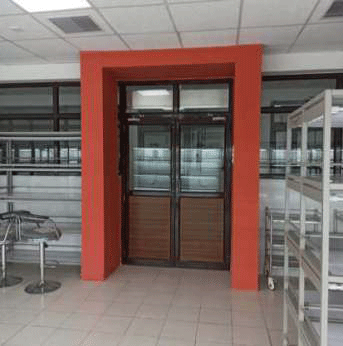
Designing the interior of such a specialized facility required a meticulous and holistic approach to ensure that the physical space fostered the exactitude required for high-level scientific research. The goal was to create a harmonious blend of functionality and aesthetics, resulting in an environment that inspires innovation while maintaining the highest possible standards of sterility. The laboratory layout is strategically divided into distinct zones for media preparation, inoculation, and incubation, each tailored to specific technical requirements. To ensure a pristine setting, the walls are clad in high-durability, easily sanitized materials, and the floors are finished with epoxy-coated concrete to provide a seamless, sterile surface that can withstand the rigors of a working lab.
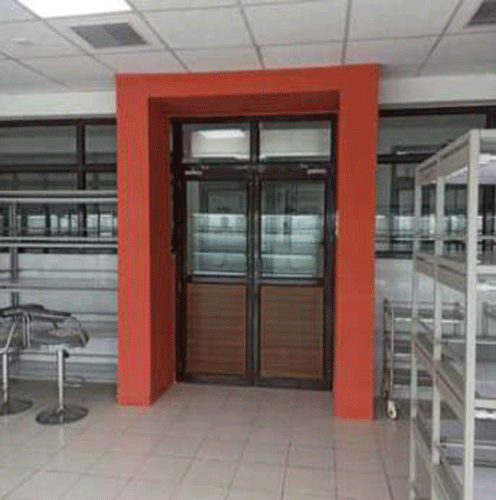 Lab Entrance — Media Preparation Zone | 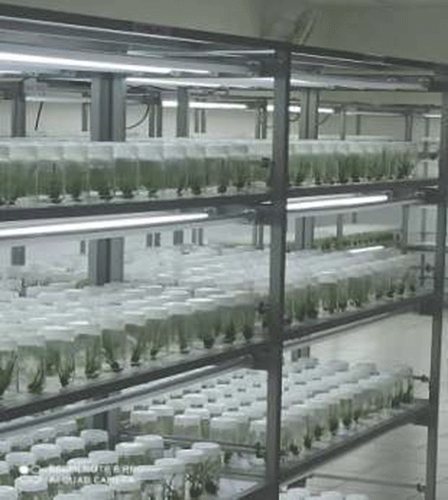 Tissue Culture Shelves — Incubation Zone |
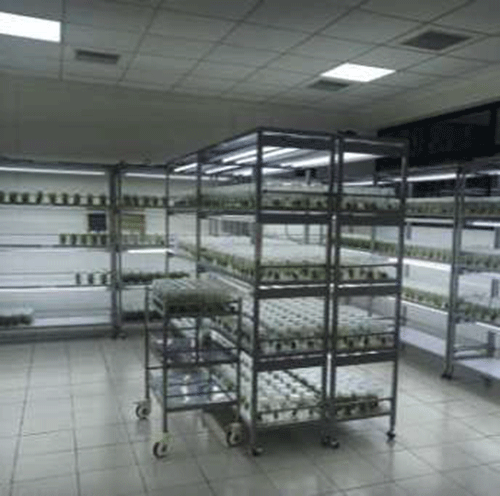 |
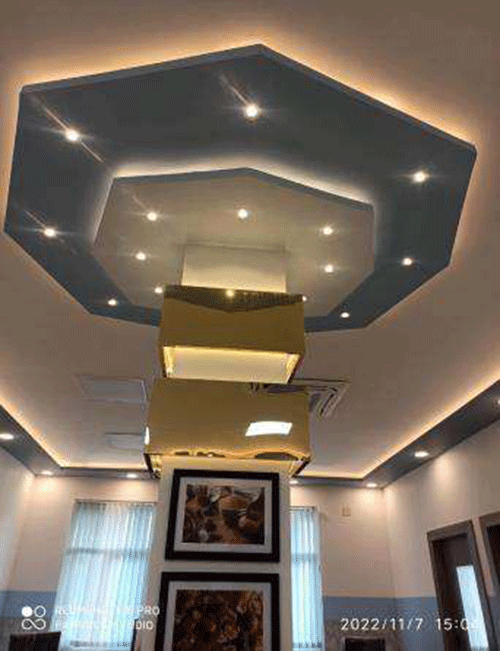
| The sensory environment of the lab was a critical consideration in our design process. We incorporated a suspended grid ceiling system with integrated acoustic panels to manage noise levels and maintain air purity, creating a focused sanctuary for productivity. The lighting design is equally sophisticated, utilizing a combination of LED arrays and focused task lighting to provide optimal illumination while eliminating the shadows and reflections that cause eye strain. Every piece of furniture, from the stainless steel workstations with WPC worktops to the ergonomically designed seating, was selected for its ability to be easily cleaned and its capacity to support the comfort of the scientists. |
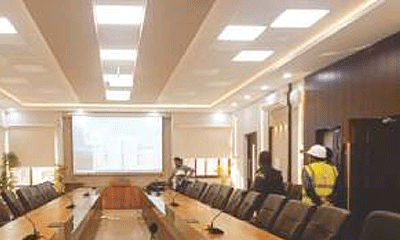 |
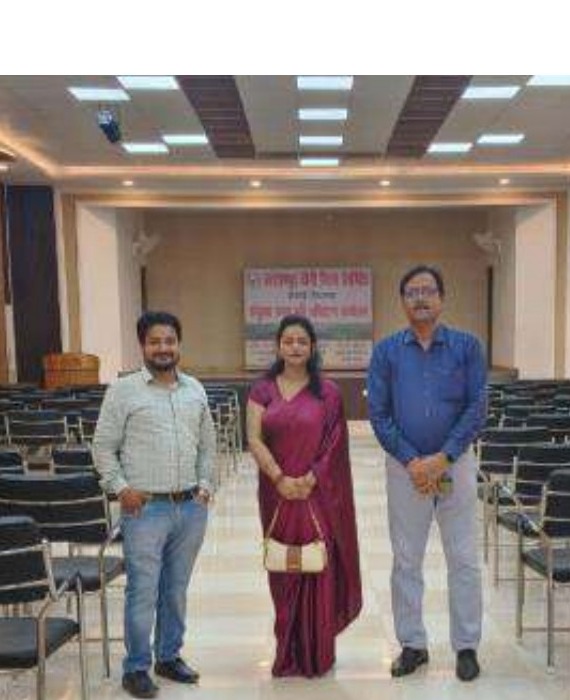
| Even the placement of heavy equipment, such as autoclaves and laminar flow hoods, was calculated to optimize workflow and minimize unnecessary movement. To balance the clinical precision of the laboratory, we introduced elements of biophilic design to enhance the well-being of its occupants. A vibrant green wall in the reception area serves as both a visual centerpiece and a functional air purifier, adding a touch of nature that reduces stress and creates a more inviting atmosphere. This commitment to excellence extends to the facility’s social and administrative spaces. The conference room and auditorium were designed to facilitate seamless collaboration and knowledge sharing, |
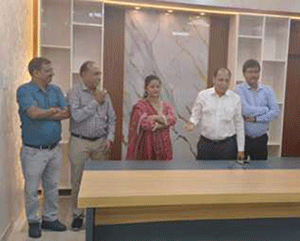 |
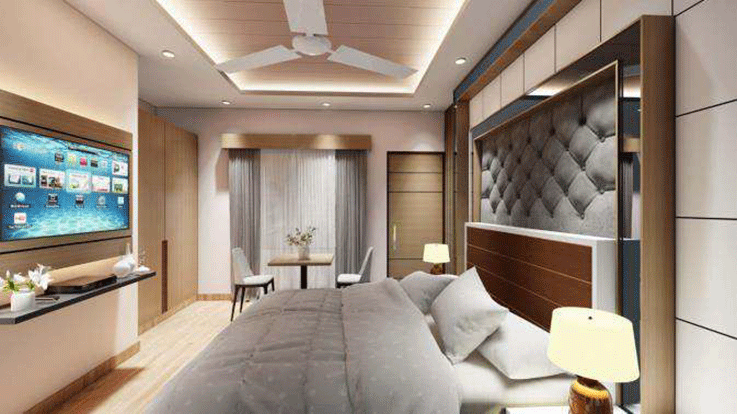
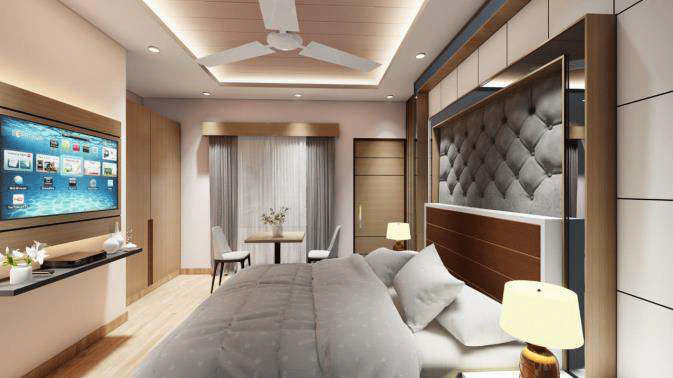
| featuring sleek modern aesthetics and state-of-the-art audio-visual technology. Meanwhile, the VVIP rooms offer a luxurious retreat for visitors, blending elegant decor with stunning views of the surrounding landscape to reflect the prestige of the Haidergarh unit. Together, these spaces prove that when design, technology, and agriculture converge, we can create a sustainable infrastructure that truly inspires a greener, more prosperous world. |
 |
I extend my sincere gratitude to our CGM, Mr. B.K. Yadav sir, for entrusting me with the opportunity to design the tissue culture lab and for his invaluable guidance throughout the project. His expertise and support have been instrumental in shaping the lab’s design and functionality
.png)
.jpg)
.jpg)
-preview.webp)
-preview.webp)
-preview.webp)
-preview.webp)
-preview.webp)